


On June 16, 2009, the first European Chainsaw Certificate (ECC) was awarded by the European Forestry and Environmental Skills Council (EFESC). Now, exactly 15 years later, 24,000 forest workers – including tree workers, firefighters, gardeners, landscapers, etc. – in Europe have successfully acquired the European Chainsaw Certificate (ECC).
With this certificate, forest workers demonstrate their craftsmanship with European recognition. By agreeing on standards together with a strong network of European players, safety in the sector is enhanced. The certificate also ensures that professionals in Europe can work across borders. It is about continuously learning from each other and contributing to the safe management of Europe’s natural environment.
European Chainsaw Certificate (ECC)
One of the first minimum standards developed by EFESC concerns the use of chainsaws. These standards are defined at five different levels. Only accredited assessment centres are allowed to use the ECC logo.
European Brushcutter Certificate (EBC)
In addition to the ECC, EFESC will soon offer the European Brushcutter Certificate, which is equivalent to the ECC but for brushcutters. This certificate recognises your skills and knowledge of using a brushcutter.
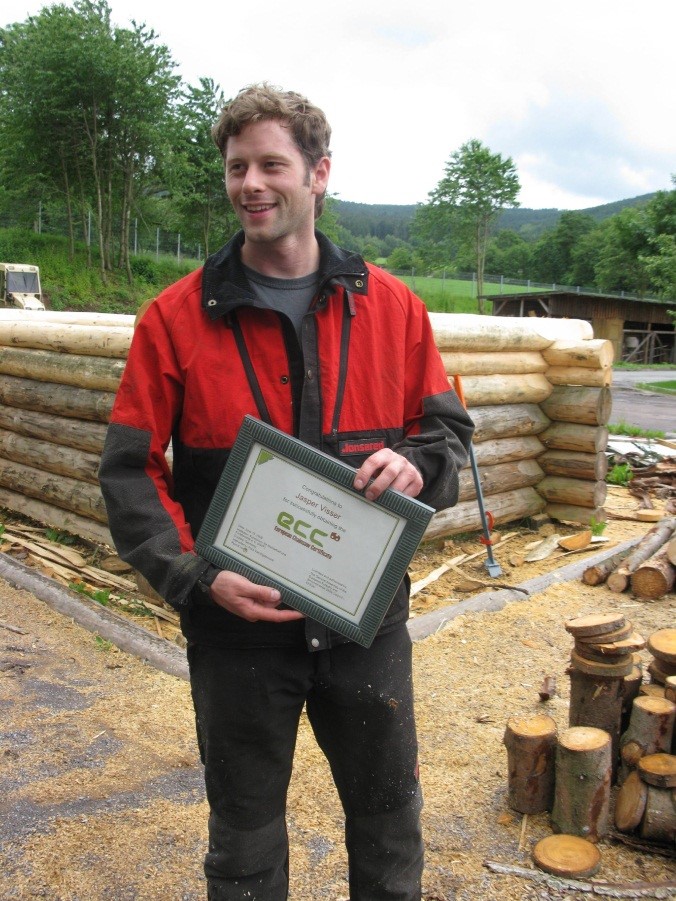
Picture of the first ECC awarded to Jasper Visser 15 years ago
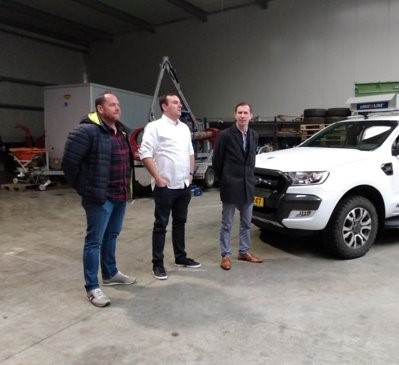
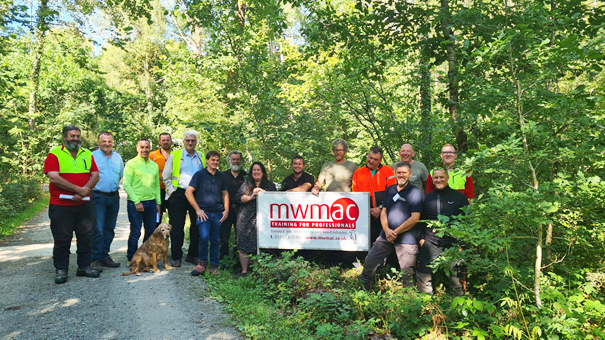
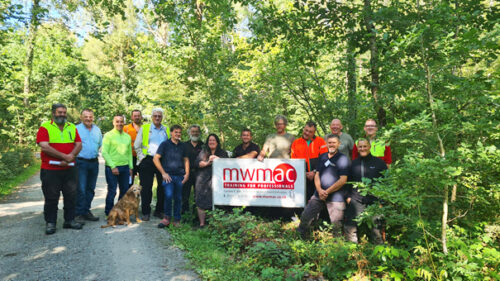 A first assessor training was held in the last days of the project duration
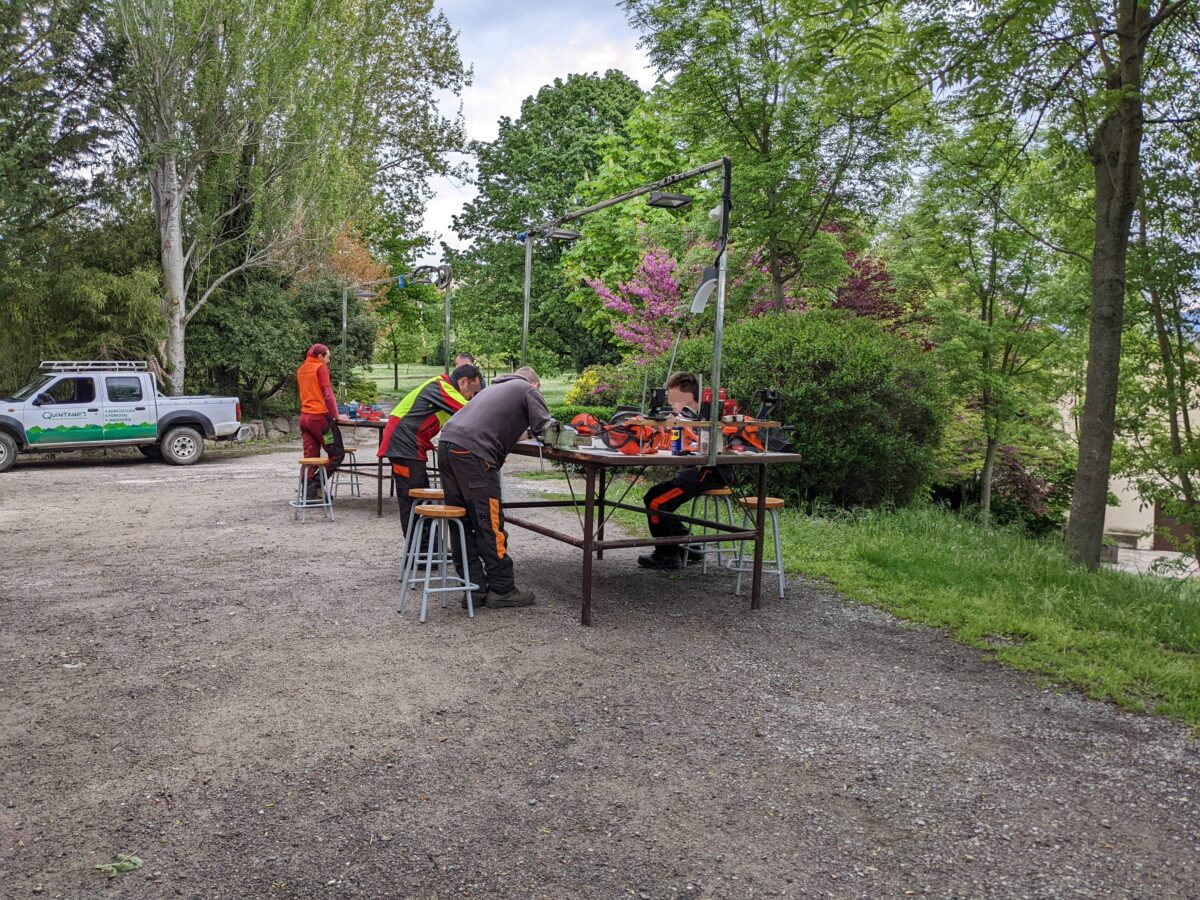
 Inverde and Jessica Schmidt of KWF were able to conduct a peer review of the Spanish National Agency (CTFC) and one Assessment Centre (EFA Quintanes).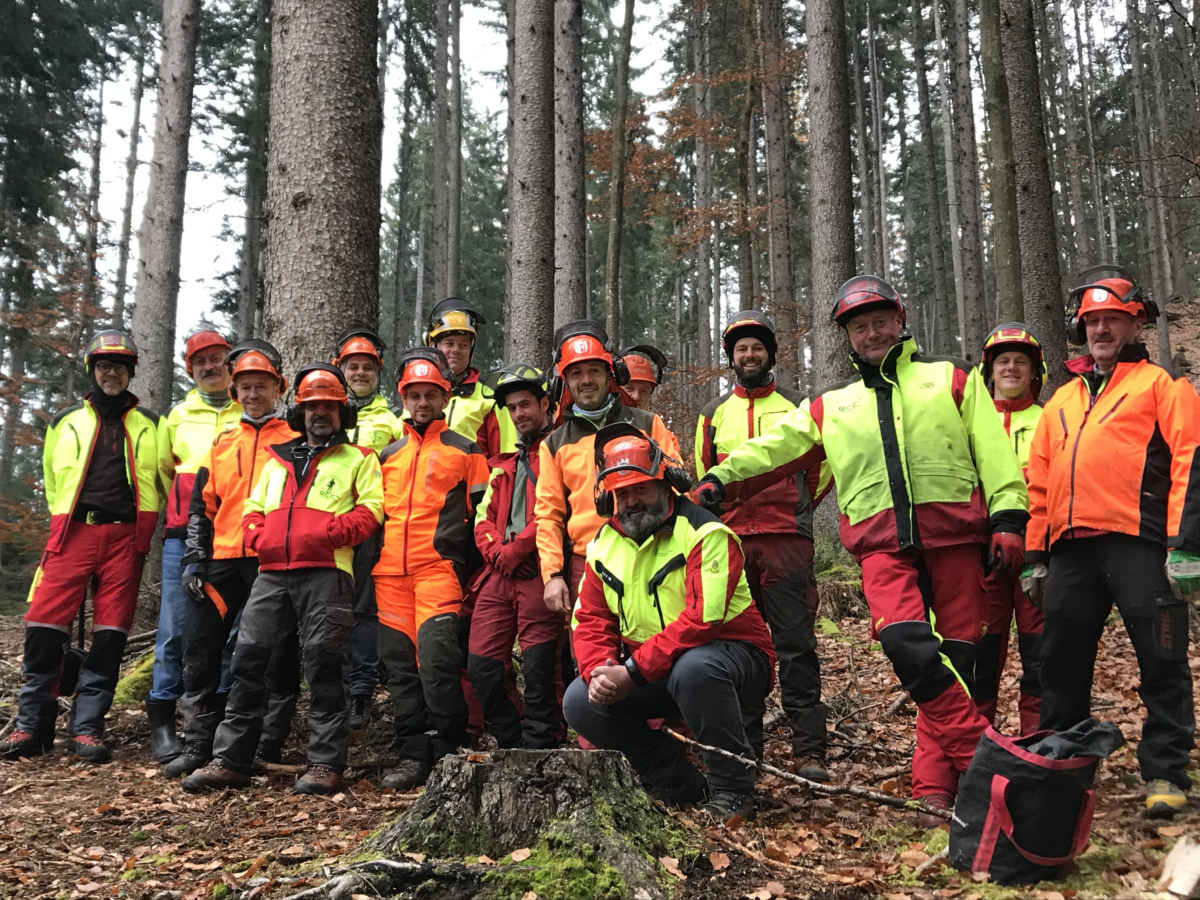
 EFESC held its first Lead Verifier Workshop 16-18 November 2021 in Ossiach, Austria. Subsequent to a hybrid Standards Committee Meeting the Verifiers and Lead Verifiers of each partner country met for some practical exercises.
 The Occupational Safety and Health Agency (EU-OSHA), the European Union information agency for occupational safety and health, has recently conducted a study on the future of agriculture and forestry with a focus on persisting and emerging occupational and health risks. Following the study, OSHA has also published a policy brief in march 2021 on this very timely topic. There it highlights that chainsaw work still constitutes “the most significant risk in forestry”. EFESC and its European Chainsaw Certificate, however, are mentioned as a good example for addressing this persistent risk though better and standardised qualification.
 The EFESC Executive Committee will hold an online Q&A session for organizations or institutions in Europe interested in learning more about the European Chainsaw Certificate (ECC) and/or in joining EFESC.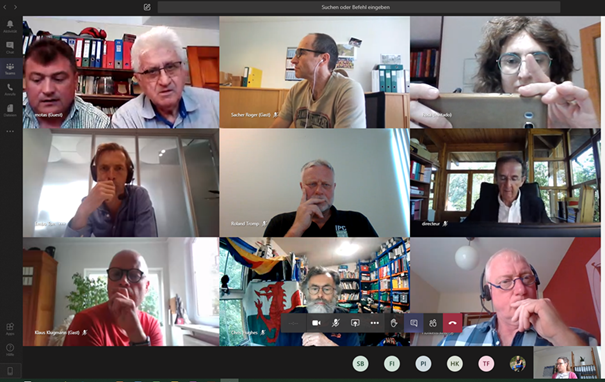
 EFESC did not get bogged down by lockdowns and travel restrictions in the face of the COVID 10-pandemic. Instead the organisation took this as an opportunity to be creative and try out new forms of communication.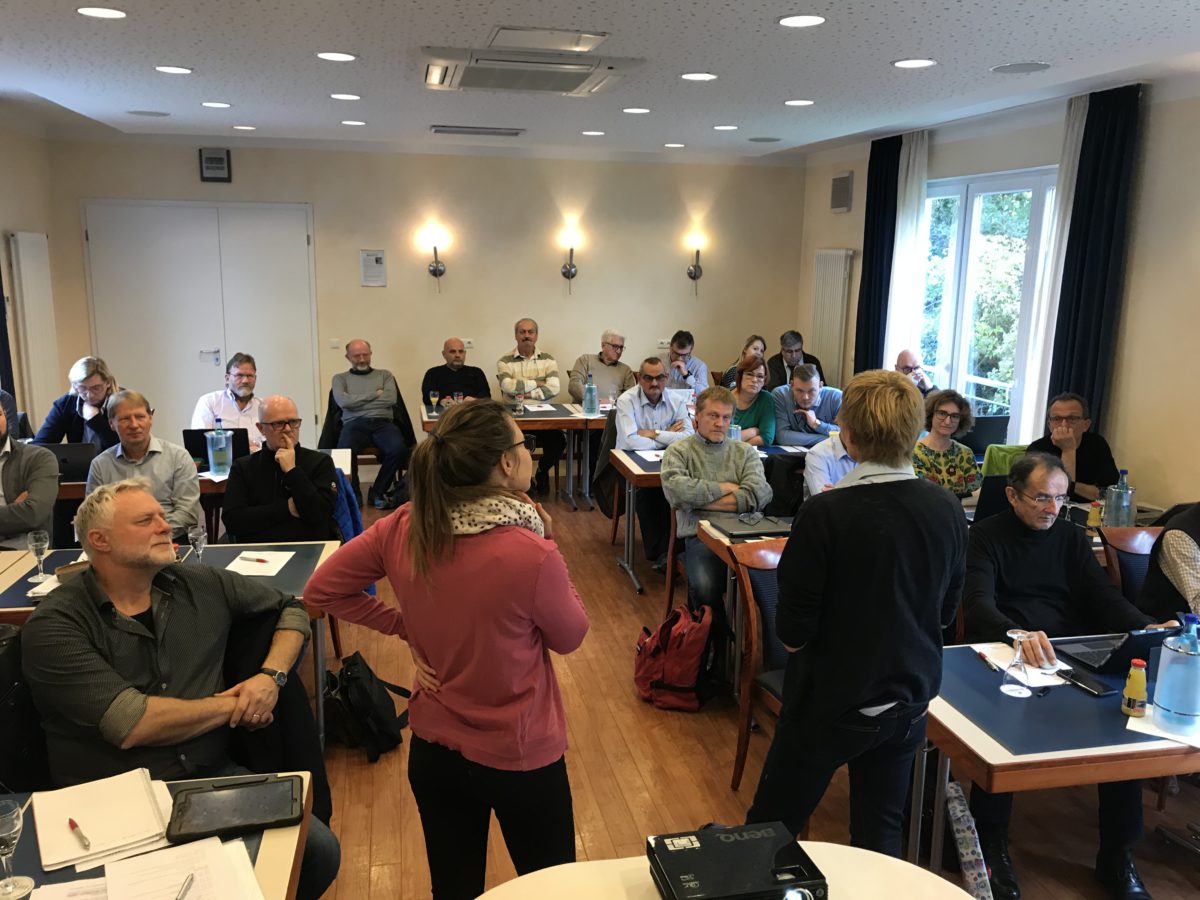
 The 2019 General Assembly took place in Gross-Umstadt, Germany. It was hosted by the Kuratorium fuer Waldarbeit und Forsttechnik e.V. (KWF e.V.) which is also the seat of the German National Agency and, most recently, the official EFESC secretariat.